
Explore our Dental Extraction Services
While it is usually a last-case scenario, sometimes it is necessary to remove a tooth due to infection or other issues. There are two main types of tooth extraction procedures; surgical and non-surgical. Surgical extractions are frequently performed for the removal of impacted wisdom teeth. We provide dental extractions at our office in Lawrence Massachusetts.

Why would my tooth need to be removed?
Tooth extractions happen for a variety of reasons. Before a tooth is extracted, a dentist will need to examine your mouth and decide whether or not it is the right procedure. In most cases, dentists try to provide other procedures that can save and preserve the tooth if possible. You might need your tooth extracted for one of the following reasons:
- Severe Tooth Decay: Dental decay progresses over time. What can start as the demineralization of your enamel can eventually become a cavity and then an infection. When tooth decay starts it can usually be solved with a filling, dental crown, or root canal depending on where the decay has spread. But if the decay is severe, the tooth might need to be fully removed.
- Issues With Alignment: If your mouth is not large enough to support your smile of teeth, you might need to have a tooth or a group of teeth removed. One of the most common examples of this is the removal of wisdom teeth. Wisdom teeth can become impacted which leads to issues for the surrounding teeth. Removing these teeth can prevent infection and damage to your other molars.
- Dental Injuries: A sports injury or other sudden injury can leave a tooth cracked, broken, loose, or otherwise damaged. While the goal of dentists is to find ways to fix or preserve the tooth, that is not always possible. In some cases, the only solution is to remove the tooth or partial tooth that is left.

What are my options for a tooth extraction?
One of the best options for replacing a lost adult tooth is a dental implant. This surgical procedure replaces the full tooth including the tooth root by implanting a post underneath the gumline. Dental bridges can put stress on the healthy teeth that are used to anchor the bridge in place. But dental implants fully replace the form and function of a healthy tooth.
Dental Services We Offer
Explore all the services that we have to offer.

Dental Fillings
Dental Fillings from Pemberton Dental Associates Explore our Dental Fillings The one word no one wants to hear while they are sitting in a dental chair is “cavity”. Unfortunately, dental cavities are very common. They have many different causes from diet and oral health practices, to genetics and even geometry of our teeth. Here at […]
CEREC Same-Day Crowns
CEREC Crowns from Pemberton Dental Associates Explore our CEREC Crowns Dental crowns are often part of a variety of different dental procedures including root canals and dental bridges. They are also often recommended to replace the chewing surface of a tooth after a tooth has had severe decay or cracks and chips. While traditional dental […]
Cosmetic Dentistry
Cosmetic Dentists in Lawrence Massachusetts Schedule Cosmetic Dentistry Services in Lawrence As dentists, it is our goal to help all of our patients promote good dental health. While our main concerns are always to make sure that our patients’ teeth and gums are healthy, we also understand how for many people, going to the dentist […]
Dental Implants
Dental Implants from Pemberton Dental Associates Explore our Dental Implants One of the best solutions for adult tooth loss is a dental implant. Dental implants have many benefits over other solutions like dental bridges. Not only do they usually last longer than other dental solutions but they also better mimic the natural form and function […]

Emergency Dentistry
Emergency Dental Services at Pemberton Dental Associates Emergency Dentist in Lawrence MA A dental emergency is any oral issue that needs to be handled on the same-day. Here at Pemberton Dental Associates our team is here to provide a variety of same-day dental treatments. Not only is our team here to help address problems as […]
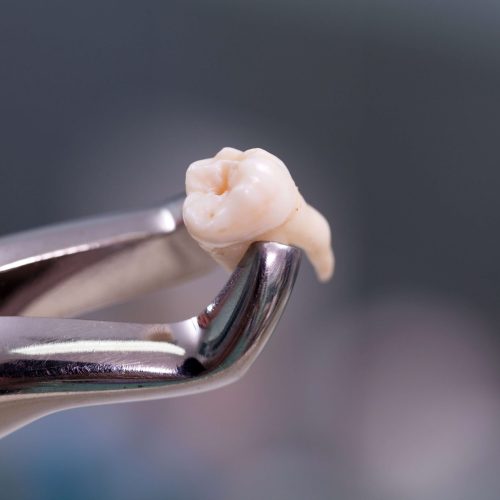
Extractions
Dental Extractions at Pemberton Dental Associates Explore our Dental Extraction Services While it is usually a last-case scenario, sometimes it is necessary to remove a tooth due to infection or other issues. There are two main types of tooth extraction procedures; surgical and non-surgical. Surgical extractions are frequently performed for the removal of impacted wisdom […]
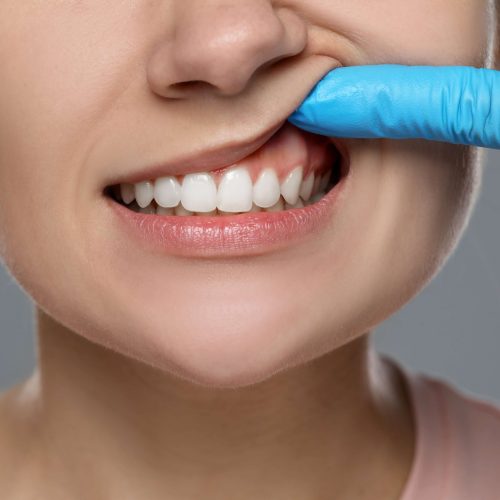
Gum Disease
Gum Disease Treatment From Pemberton Dental Associates Learn more about Gum Disease Gum disease is one of the most common dental issues for adults and children. While we often focus on the importance of taking care of our teeth, it is just as important to pay attention to our gums. Issues with gum health can […]
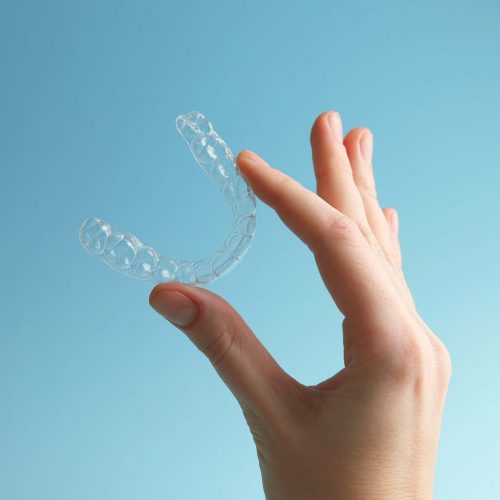
Invisalign
Invisalign from PEMBERTON Dental Associates Explore Invisalign One of the most popular orthodontic treatments, especially for adults, is Invisalign removable aligners. Unlike traditional braces, Invisalign provides the distinct benefit of being removable. This of course has many upsides including the ability to eat whatever you want, maintain your oral health easily, and not worry about […]
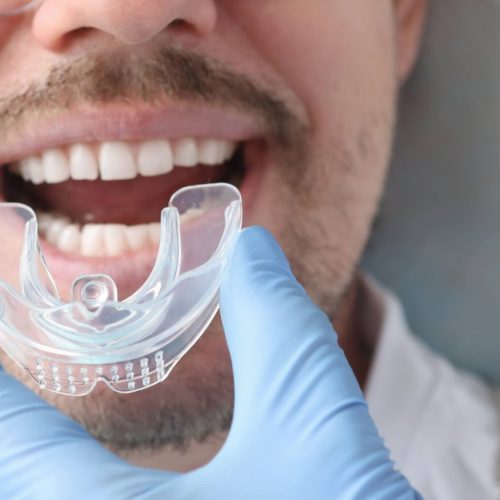
Night Guard
Night Guards from PEMBERTON Dental Associates Explore our Night Guards Night guards can help protect your teeth by preventing issues with bruxism. Bruxism, or teeth-grinding can happen completely involuntarily and is usually linked to stress but can have many causes. Regardless of the cause, bruxism can lead to serious issues. Bruxism puts pressure on the […]

Oral Surgery
Oral Surgery at Pemberton Dental Associates Explore our Oral Surgery Services Not every dentist provides surgical treatments. While most dentists provide routine cleanings, exams, x-rays, and a variety of preventative and restorative care, sometimes surgical procedures are necessary to either protect your smile or help replace lost teeth. We provide surgical treatments including prosthodontic treatments, […]
Preventative Care
Preventative Care from Pemberton Dental Associates Explore our Preventative Care Services When it comes to all forms of healthcare, preventative care is preferred over having to address issues down the line. This is especially true when it comes to dental health. Our teeth are not great at signaling us when things are starting to go […]
Root Canal
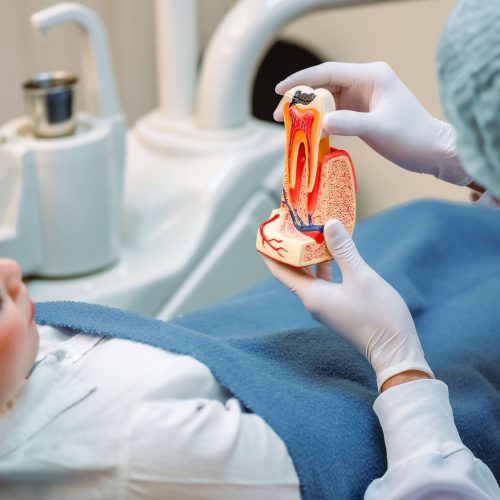
Root Canal Therapy at Pemberton Dental Associates Explore our Root Canal Therapy Root canal procedures can help save teeth where decay has spread deep into a tooth’s root. Decades ago, when decay spread this deeply into a tooth the only option was dental extractions. But thanks to the root canal procedure is possible to remove […]
Whitening
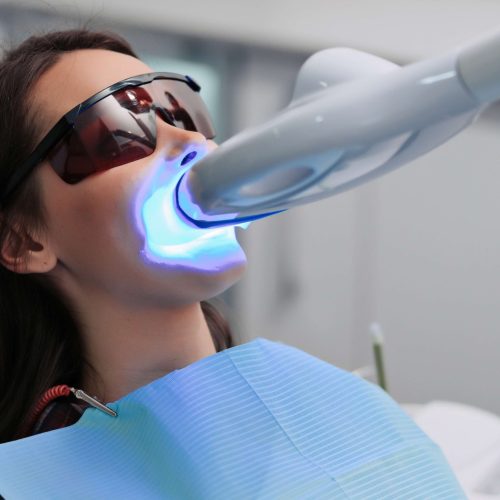
Teeth Whitening from Pemberton Dental Associates Explore our Teeth Whitening Services Our office provides a variety of cosmetic dental services to our patients. While our main goal as dentists is to promote oral health and help keep your teeth and gums healthy, we understand that many of our patients also come to us to address […]
Real Patients, Real Reviews.
- Marisol V.
- 5/5 Star Rating
- Submitted Submitted 12/22/23
- C Wilson
- 5/5 Star Rating
- Submitted Submitted 12/23/23
- Heather A.
- 5/5 Star Rating
- Submitted Submitted 02/06/24
- Alcira K
- 5/5 Star Rating
- Submitted Submitted 02/07/24
- Vange D
- 5/5 Star Rating
- Submitted 10/19/22
Frequently Asked Questions About Dental Extractions
What Should You Do After A Dental Extraction?
Your dentist will provide post-care instructions after you get your tooth extracted. If you receive dental sedation or anesthesia, you will need to have someone else drive you home, as it is unsafe to drive. Depending on your treatment, post-care instructions may differ. For example, you may need to pick up prescription medication, or need to change your diet if you had a surgical extraction. It is imperative you follow the instructions given to you by your dentist as they can differ significantly based on the treatment and procedure you receive.
How Long Does It Take To Recover From Tooth Extractions?
It depends on the procedure and the patient. For a typical tooth extraction, a patient may need to rest 1-3 days before returning to work, daily activities. Full healing can take several weeks. For surgical extractions, the initial healing period is longer and requires more changes to your day-to-day life to handle discomfort, swelling, and stitches.
Can You Eat After A Tooth Extraction?
Defer to your dentist’s instructions regarding eating and drinking after an extraction. If it is a typical extraction that does not require surgery, it is common to not eat or drink for around three hours after the procedure. When you start eating, it is recommended to eat soft food and to chew on the side of your mouth that did not receive the extraction. However, this advice may not align with your particular situation. If you had wisdom tooth surgery, for example, you would likely only be able to drink liquids like chicken broth for a few days after your surgery.
Can You Be Sedated For A Tooth Extraction?
Yes, sedation can be used for tooth extraction treatments. In fact, sedation is almost always used for surgical wisdom tooth extraction. But it can also be used for other simpler extractions if a patient is nervous about having their teeth extracted. Of course, you have to find a dentist who provides sedation.
Is Tooth Extraction Covered By insurance?
It depends on the plan. For the most part, insurance plans tend to provide some level of coverage for dental treatments that are medically necessary. So if a patient needs to have their tooth removed, it will usually receive some type of coverage, but it is important to consult your plan. You may have a deductible for tooth extractions and similar treatments and/or copays.
Does MassHealth Cover Tooth Extraction?
Our dental office in Massachusetts is proud to work with MassHealth. MassHealth Dental does include coverage for dental extractions. That said, it is important to check with your plan. Some services require prior approval. As a MassHealth dentist we are aware of this and will request approval before we provide services.