
Learn more about Gum Disease
Gum disease is one of the most common dental issues for adults and children. While we often focus on the importance of taking care of our teeth, it is just as important to pay attention to our gums. Issues with gum health can lead to tooth loss as well as a host of other dental issues. Periodontitis also called gum disease, can have some serious effects on your oral health.

What is gum disease?
There are many types of gum disease. Gum disease as a category usually refers to damage to the soft tissue around the gums that can eventually lead to tooth loss and damage to the jaw bone. Gum disease is also linked to other health concerns including heart and lung diseases. Some common symptoms of gum disease are receding gums, swollen gums, or gums that red, tender, or frequently bleed. Gum disease can be prevented by following good oral health practices like brushing your teeth, flossing your teeth, and of course, seeing a dentist for preventative care and exams.

What are the treatments for gum disease?
Dental Services We Offer
Explore all the services that we have to offer.

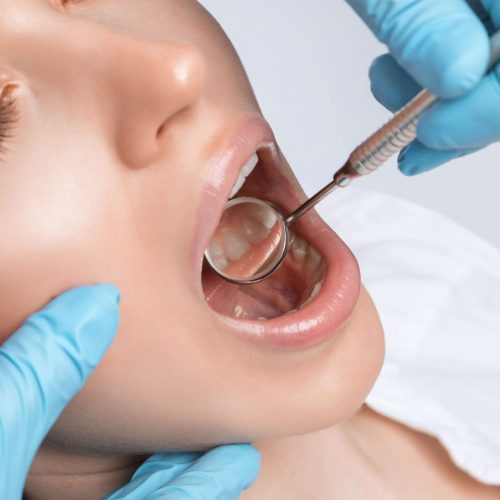
Dental Fillings
Dental Fillings from Pemberton Dental Associates Explore our Dental Fillings The one word no one wants to hear while they are sitting in a dental chair is “cavity”. Unfortunately, dental cavities are very common. They have many different causes from diet and oral health practices, to genetics and even geometry of our teeth. Here at […]
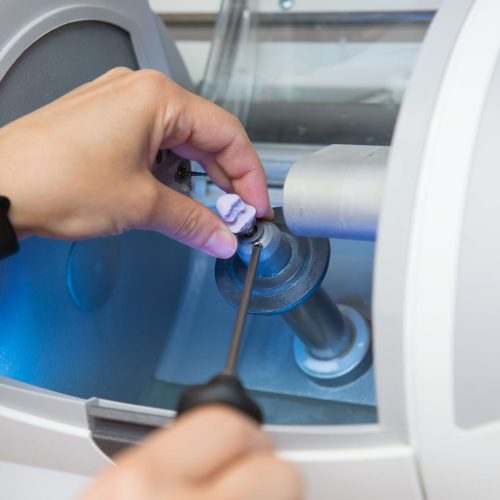
CEREC Same-Day Crowns
CEREC Crowns from Pemberton Dental Associates Explore our CEREC Crowns Dental crowns are often part of a variety of different dental procedures including root canals and dental bridges. They are also often recommended to replace the chewing surface of a tooth after a tooth has had severe decay or cracks and chips. While traditional dental […]
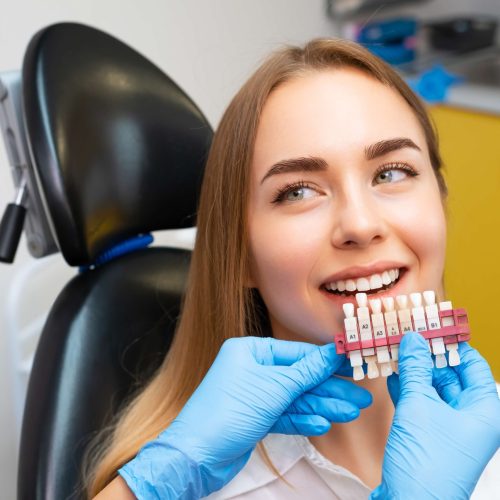
Cosmetic Dentistry
Cosmetic Dentists in Lawrence Massachusetts Schedule Cosmetic Dentistry Services in Lawrence As dentists, it is our goal to help all of our patients promote good dental health. While our main concerns are always to make sure that our patients’ teeth and gums are healthy, we also understand how for many people, going to the dentist […]
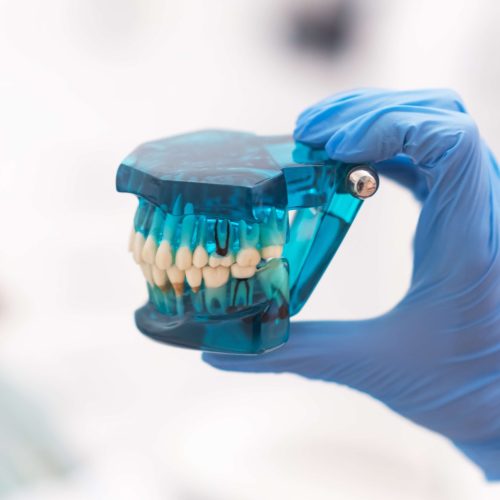
Dental Implants
Dental Implants from Pemberton Dental Associates Explore our Dental Implants One of the best solutions for adult tooth loss is a dental implant. Dental implants have many benefits over other solutions like dental bridges. Not only do they usually last longer than other dental solutions but they also better mimic the natural form and function […]

Emergency Dentistry
Emergency Dental Services at Pemberton Dental Associates Emergency Dentist in Lawrence MA A dental emergency is any oral issue that needs to be handled on the same-day. Here at Pemberton Dental Associates our team is here to provide a variety of same-day dental treatments. Not only is our team here to help address problems as […]
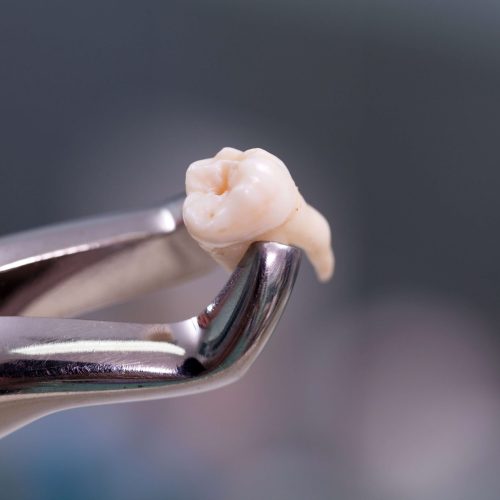
Extractions
Dental Extractions at Pemberton Dental Associates Explore our Dental Extraction Services While it is usually a last-case scenario, sometimes it is necessary to remove a tooth due to infection or other issues. There are two main types of tooth extraction procedures; surgical and non-surgical. Surgical extractions are frequently performed for the removal of impacted wisdom […]
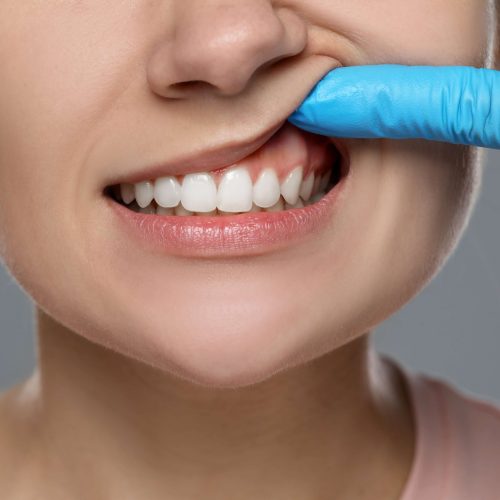
Gum Disease
Gum Disease Treatment From Pemberton Dental Associates Learn more about Gum Disease Gum disease is one of the most common dental issues for adults and children. While we often focus on the importance of taking care of our teeth, it is just as important to pay attention to our gums. Issues with gum health can […]
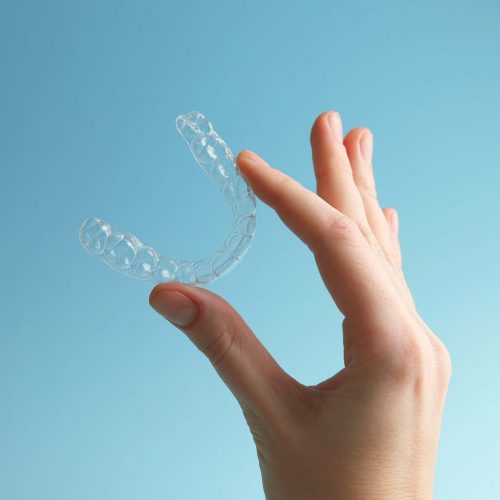
Invisalign
Invisalign from PEMBERTON Dental Associates Explore Invisalign One of the most popular orthodontic treatments, especially for adults, is Invisalign removable aligners. Unlike traditional braces, Invisalign provides the distinct benefit of being removable. This of course has many upsides including the ability to eat whatever you want, maintain your oral health easily, and not worry about […]
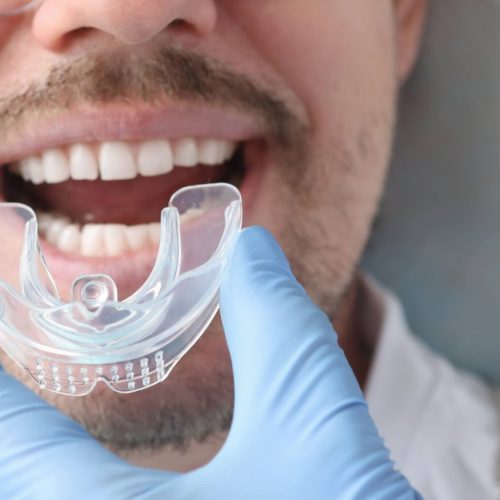
Night Guard
Night Guards from PEMBERTON Dental Associates Explore our Night Guards Night guards can help protect your teeth by preventing issues with bruxism. Bruxism, or teeth-grinding can happen completely involuntarily and is usually linked to stress but can have many causes. Regardless of the cause, bruxism can lead to serious issues. Bruxism puts pressure on the […]

Oral Surgery
Oral Surgery at Pemberton Dental Associates Explore our Oral Surgery Services Not every dentist provides surgical treatments. While most dentists provide routine cleanings, exams, x-rays, and a variety of preventative and restorative care, sometimes surgical procedures are necessary to either protect your smile or help replace lost teeth. We provide surgical treatments including prosthodontic treatments, […]
Preventative Care
Preventative Care from Pemberton Dental Associates Explore our Preventative Care Services When it comes to all forms of healthcare, preventative care is preferred over having to address issues down the line. This is especially true when it comes to dental health. Our teeth are not great at signaling us when things are starting to go […]
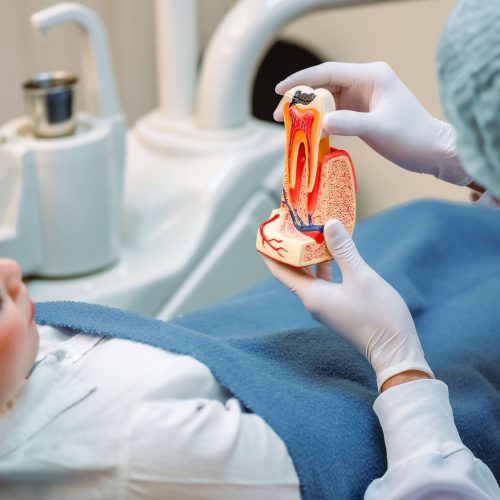
Root Canal
Root Canal Therapy at Pemberton Dental Associates Explore our Root Canal Therapy Root canal procedures can help save teeth where decay has spread deep into a tooth’s root. Decades ago, when decay spread this deeply into a tooth the only option was dental extractions. But thanks to the root canal procedure is possible to remove […]
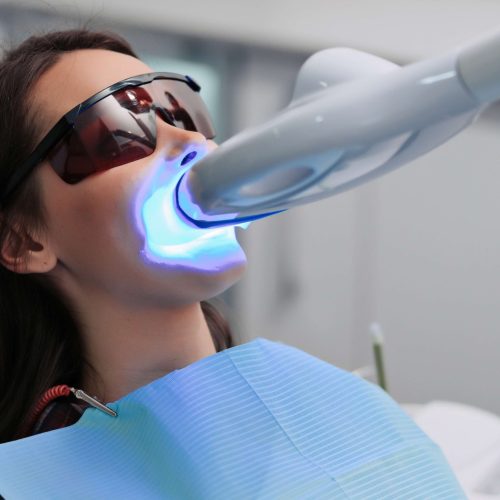
Whitening
Teeth Whitening from Pemberton Dental Associates Explore our Teeth Whitening Services Our office provides a variety of cosmetic dental services to our patients. While our main goal as dentists is to promote oral health and help keep your teeth and gums healthy, we understand that many of our patients also come to us to address […]
Real Patients, Real Reviews.
- Marisol V.
- 5/5 Star Rating
- Submitted Submitted 12/22/23
- C Wilson
- 5/5 Star Rating
- Submitted Submitted 12/23/23
- Heather A.
- 5/5 Star Rating
- Submitted Submitted 02/06/24
- Alcira K
- 5/5 Star Rating
- Submitted Submitted 02/07/24
- Vange D
- 5/5 Star Rating
- Submitted 10/19/22
Frequently Asked Questions About Gum Disease
What is Periodontal Disease?
Periodontal disease, or periodontitis, is another way of referring to gum disease. All forms of gum disease involve infection of the gums. Gum disease occurs where the gums meet the teeth, often around the roots. This can cause the gums to deteriorate and create pockets around the roots where more tartar and plaque can form. These deep pockets can also lead to bone loss and infection.
What Are Common Gum Disease Symptoms?
Gum disease often starts with gingivitis. Gingivitis usually presents itself with bleeding, red, puffy, and tender gums. If gingivitis is not treated, it can progress into periodontitis. Some of the most common symptoms of periodontitis are soreness around the gums, gum recession, tartar build-up, especially close to the gumline, bad breath, bleeding, and loose adult teeth. That said, symptoms vary from patient to patient. The best way to determine if you have gum disease is to see a dentist who can provide a diagnosis.
Does Gum Disease Always Cause Bleeding Gums?
No. It is quite possible to have gum disease and not have any noticeable symptoms, including bleeding gums. Alternatively, bleeding gums aren’t always caused by gum disease. Gums can sometimes bleed if you simply brush too hard with your toothbrush. This is why it is important to see a dentist. Instead of self-diagnosing based on your symptoms, a dentist can provide a professional cleaning and exam, and also treatment options if you have issues with gum disease.
How Is Gum Disease Treated?
Like any infection, gum disease requires that the source of the infection if treated. Oftentimes, deep cleanings can be used to remove plaque and tartar that are below the gumlines. It is important to understand that patients cannot heal gum disease on their own with brushing and flossing at home. Scaling and planing can also be done to help remove bacteria from the gums. Flap surgery and bone grafting are sometimes recommended for patients with severe gum disease. Gum disease is reversible if it is caught early and if you receive treatment from your dentist. That said, over time, the damage gum disease causes can become irreversible. Bone loss and tooth loss are common outcomes for untreated gum disease.
How Do You Prevent Gum Disease?
Flossing, brushing your teeth, maintaining a healthy diet, and seeing your dentist twice a year can help prevent gum disease and treat it at its earliest stages. It must be noted that the most effective way to handle gum disease is to see your dentist on a regular basis so that early warning signs are noted.