
Explore our Preventative Care Services
When it comes to all forms of healthcare, preventative care is preferred over having to address issues down the line. This is especially true when it comes to dental health. Our teeth are not great at signaling us when things are starting to go wrong. Decay and gum disease can form and grow unnoticed and do irrevocable damage without us noticing. That is why it is recommended that everyone see a dentist twice every single year.
Our office in Lawrence Massachusetts provides bi-annual dental exams, x-rays, cleanings, and other preventative care treatments. If you are looking for a friendly, modern dentist in the area, we would be happy to go over our availability, procedures, and other practice information with you. Give us a call to get started!

What is Preventative care?
A routine dental visit usually includes a few different treatments and procedures. First and foremost, a dental hygienist will provide a full cleaning which will include brushing and flossing your teeth. They might provide some initial feedback on your oral health as well as some pointers and tips on how to better manage your oral health at home. Later during your visit, you will be examined by a dentist who will look for any signs of cavities, dental decay, or gum disease. If needed, a second appointment might be recommended to address these concerns.
There are also a variety of other treatments and procedures that happen during these visits depending on your situation. For example, many patients receive yearly dental X-rays to provide additional insights for dentists. Fluoride treatments or dental sealants might also be recommended and performed to provide enhanced protection from dental decay.

Is It Possible To Reverse A Cavity?
At some point in your life, you may have had a dentist who has said that a cavity can be reversed instead of filled. This is based on how we define a cavity. Simply put, if tooth decay has eroded a tooth to a point where the decay has passed the enamel layer (outermost layer) and is damaging the dentin, you will need a filling. The decay part of the tooth will need to be removed and the divet will need to be filled. But sometimes the early signs of decay can be caught before the dentin is impacted by dental decay and bacteria. A dentist might recommend fluoride toothpaste and for the patient to make sure they are taking extra steps to stop the decay before it causes a cavity.
Dental Services We Offer
Explore all the services that we have to offer.
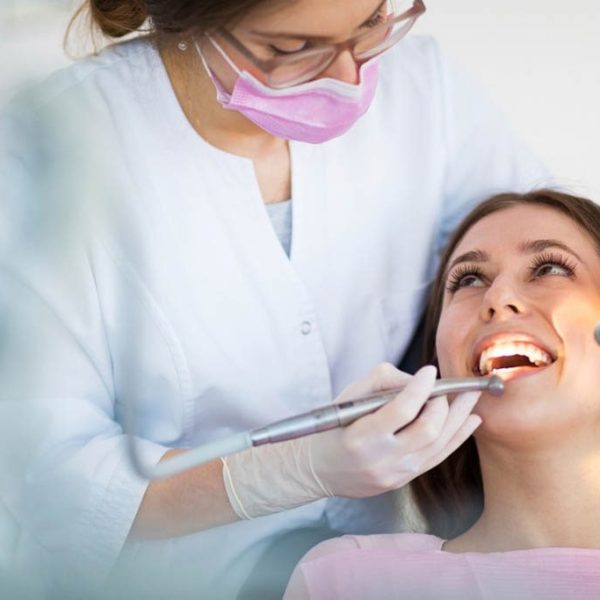
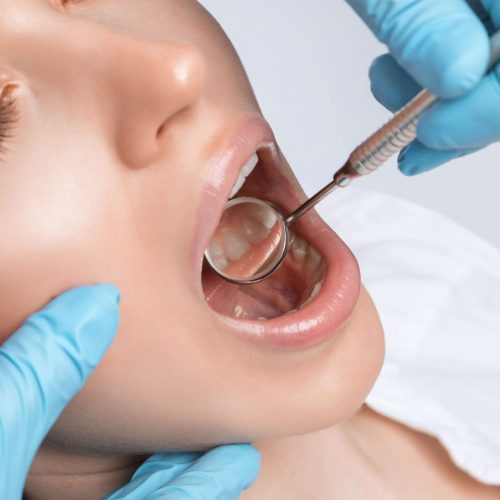
Dental Fillings
Dental Fillings from Pemberton Dental Associates Explore our Dental Fillings The one word no one wants to hear while they are sitting in a dental chair is “cavity”. Unfortunately, dental cavities are very common. They have many different causes from diet and oral health practices, to genetics and even geometry of our teeth. Here at […]
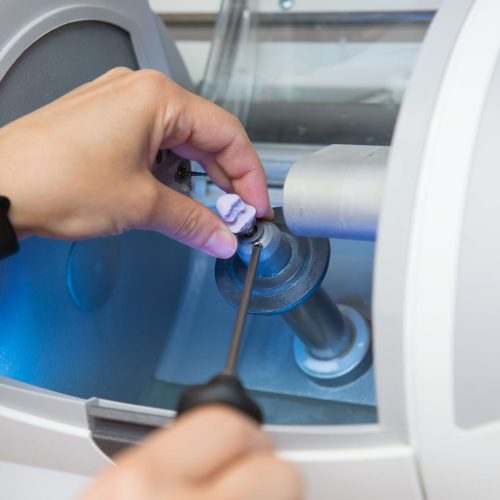
CEREC Same-Day Crowns
CEREC Crowns from Pemberton Dental Associates Explore our CEREC Crowns Dental crowns are often part of a variety of different dental procedures including root canals and dental bridges. They are also often recommended to replace the chewing surface of a tooth after a tooth has had severe decay or cracks and chips. While traditional dental […]
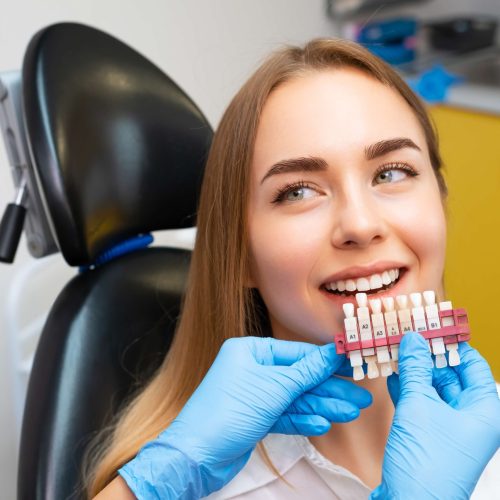
Cosmetic Dentistry
Cosmetic Dentists in Lawrence Massachusetts Schedule Cosmetic Dentistry Services in Lawrence As dentists, it is our goal to help all of our patients promote good dental health. While our main concerns are always to make sure that our patients’ teeth and gums are healthy, we also understand how for many people, going to the dentist […]
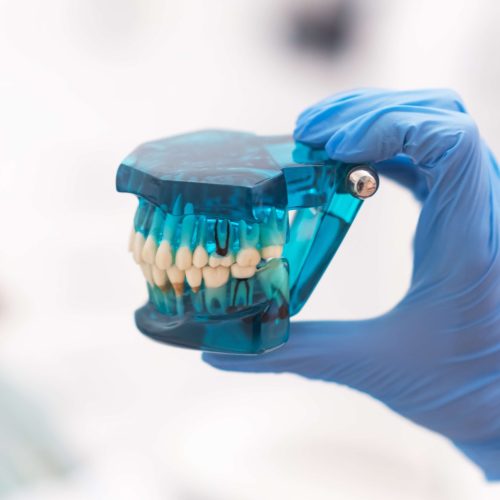
Dental Implants
Dental Implants from Pemberton Dental Associates Explore our Dental Implants One of the best solutions for adult tooth loss is a dental implant. Dental implants have many benefits over other solutions like dental bridges. Not only do they usually last longer than other dental solutions but they also better mimic the natural form and function […]

Emergency Dentistry
Emergency Dental Services at Pemberton Dental Associates Emergency Dentist in Lawrence MA A dental emergency is any oral issue that needs to be handled on the same-day. Here at Pemberton Dental Associates our team is here to provide a variety of same-day dental treatments. Not only is our team here to help address problems as […]
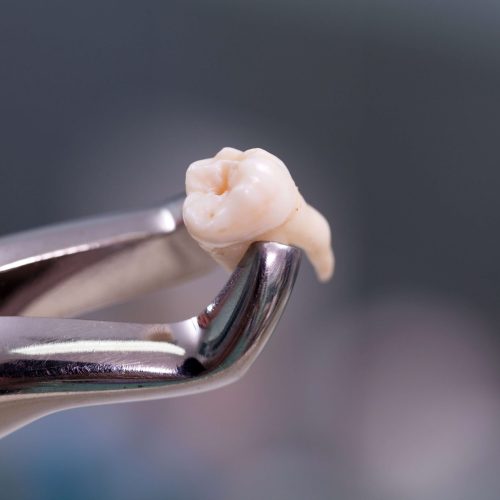
Extractions
Dental Extractions at Pemberton Dental Associates Explore our Dental Extraction Services While it is usually a last-case scenario, sometimes it is necessary to remove a tooth due to infection or other issues. There are two main types of tooth extraction procedures; surgical and non-surgical. Surgical extractions are frequently performed for the removal of impacted wisdom […]
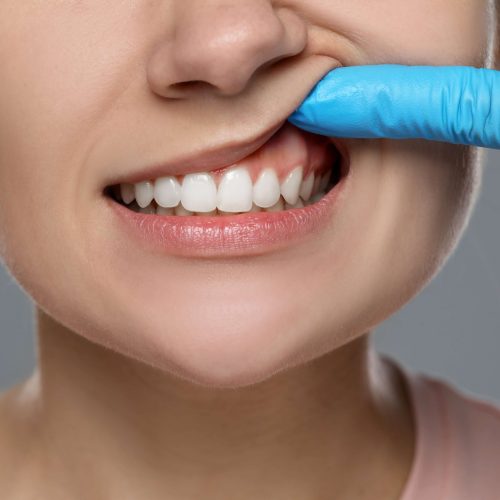
Gum Disease
Gum Disease Treatment From Pemberton Dental Associates Learn more about Gum Disease Gum disease is one of the most common dental issues for adults and children. While we often focus on the importance of taking care of our teeth, it is just as important to pay attention to our gums. Issues with gum health can […]
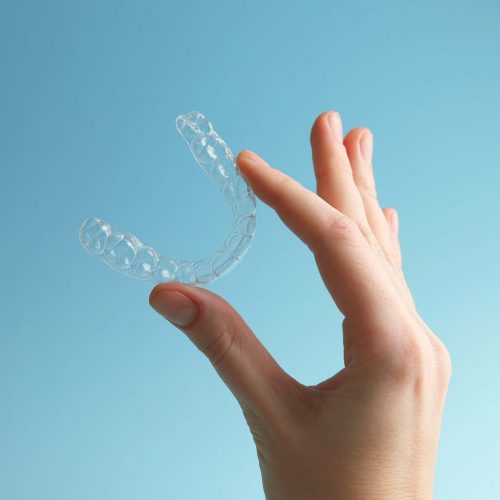
Invisalign
Invisalign from PEMBERTON Dental Associates Explore Invisalign One of the most popular orthodontic treatments, especially for adults, is Invisalign removable aligners. Unlike traditional braces, Invisalign provides the distinct benefit of being removable. This of course has many upsides including the ability to eat whatever you want, maintain your oral health easily, and not worry about […]
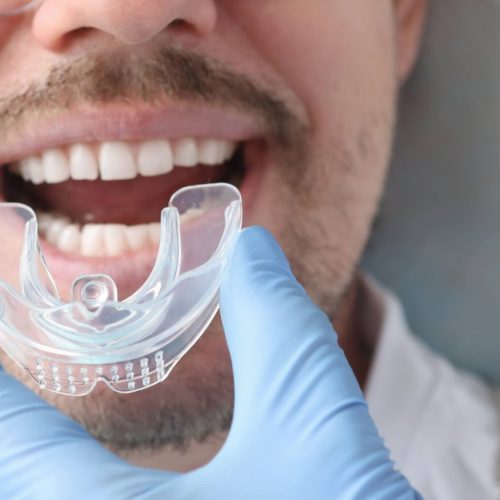
Night Guard
Night Guards from PEMBERTON Dental Associates Explore our Night Guards Night guards can help protect your teeth by preventing issues with bruxism. Bruxism, or teeth-grinding can happen completely involuntarily and is usually linked to stress but can have many causes. Regardless of the cause, bruxism can lead to serious issues. Bruxism puts pressure on the […]

Oral Surgery
Oral Surgery at Pemberton Dental Associates Explore our Oral Surgery Services Not every dentist provides surgical treatments. While most dentists provide routine cleanings, exams, x-rays, and a variety of preventative and restorative care, sometimes surgical procedures are necessary to either protect your smile or help replace lost teeth. We provide surgical treatments including prosthodontic treatments, […]
Preventative Care
Preventative Care from Pemberton Dental Associates Explore our Preventative Care Services When it comes to all forms of healthcare, preventative care is preferred over having to address issues down the line. This is especially true when it comes to dental health. Our teeth are not great at signaling us when things are starting to go […]
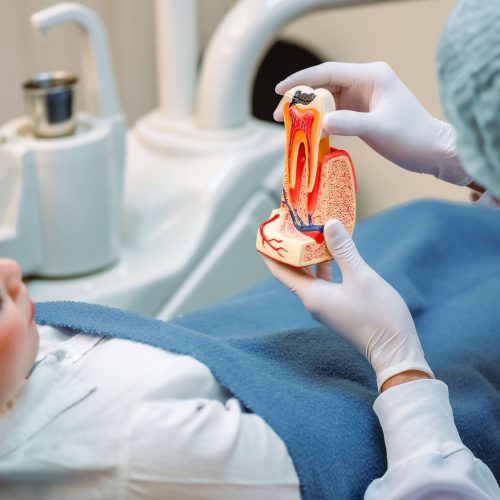
Root Canal
Root Canal Therapy at Pemberton Dental Associates Explore our Root Canal Therapy Root canal procedures can help save teeth where decay has spread deep into a tooth’s root. Decades ago, when decay spread this deeply into a tooth the only option was dental extractions. But thanks to the root canal procedure is possible to remove […]
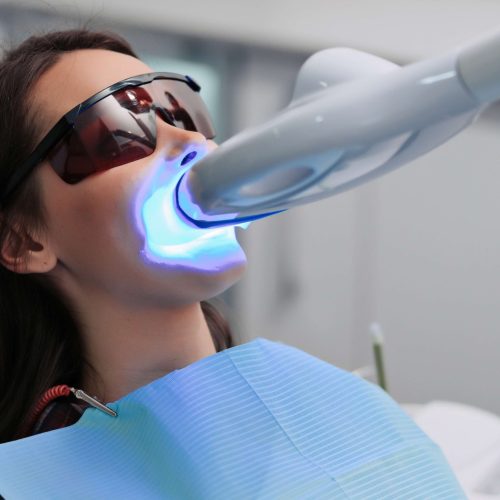
Whitening
Teeth Whitening from Pemberton Dental Associates Explore our Teeth Whitening Services Our office provides a variety of cosmetic dental services to our patients. While our main goal as dentists is to promote oral health and help keep your teeth and gums healthy, we understand that many of our patients also come to us to address […]
Real Patients, Real Reviews.
- Marisol V.
- 5/5 Star Rating
- Submitted Submitted 12/22/23
- C Wilson
- 5/5 Star Rating
- Submitted Submitted 12/23/23
- Heather A.
- 5/5 Star Rating
- Submitted Submitted 02/06/24
- Alcira K
- 5/5 Star Rating
- Submitted Submitted 02/07/24
- Vange D
- 5/5 Star Rating
- Submitted 10/19/22
Frequently Asked Questions About Preventative Dental Treatments
What is Preventative Dental Care?
Preventative dental care is any procedure that helps prevent dental issues down the road. Typically, these are all the treatments that are recommended and performed during a regular dental exam and cleaning. Routinely they include X-rays, cleanings, and the removal of plaque and tartar buildup. This can include deep cleanings, dental sealants, fluoride treatments, and other procedures depending on a patient’s individual situation.
Is Preventative Dental Care Covered By Insurance?
Every insurance plan is unique, so make sure to check with your provider and your specific plan to double-check and specifics regarding coverage. That said, preventative care is often covered by insurance providers. Cleanings and exams are some of the most common dental treatments in the world, and are also medically necessary so most insurance plans will have some level of coverage, if not full coverage for these treatments.
How Often Do You Need Preventative Care?
Every dentist will tell you that you need to see your dentist at least twice per year. This helps ensure that any dental issues are addressed before they can worsen. Quick routine dental treatments go a long way in preventing dental problems in the future. Moreover, dental problems progress over time and are often unnoticed for long periods of time.
Can You Be Sedated For Preventative Dental Care?
Sedation is not typically used for cleanings and exams, but might be recommended for patients that have dental anxiety. This is especially true for patients who have concerns about deep cleanings or other dental treatments.
How Can Improve Your Oral Habits at Home?
Oral care at home can be broken into three quick tips:
Brushing: Brush at least twice per day, for two minutes at a time. Make sure to use toothpaste that fights decay and to replace your toothbrush every three months. An electronic toothbrush can also help improve your brushing.
Flossing: Floss at least once per day to remove food and bacteria from between your teeth. Make a c-shape with the floss and floss against both teeth on either side of the floss.
Diet: Avoid foods with high sugar content or acidity. Avoid smoking and tobacco products as well to improve your oral health.