
Explore our Root Canal Therapy

What are Root Canals?
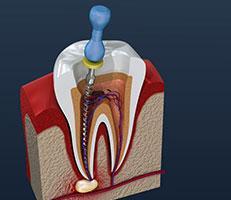
A root canal procedure is slightly similar to how fillings work. With a filling, the decayed and damaged section of a tooth is drilled away, and the divet or hole is filled with a tooth-colored material to help preserve the structure and shape of the tooth. With a root canal, the infection is within the root of the tooth which is beneath the gumline. In order to fix this a small portion of the top of the tooth is removed so a device can go into the tooth and clear the infection before the root is filled. Frequently a dental crown will be installed to replace the chewing surface of a tooth, although this isn’t always the case.
What are the signs that I need root canal therapy?
One of the unfortunate things about our teeth is that the nerves are pretty deep. Dental decay can form and spread without us really noticing it. That is why all dentists recommend routine cleanings, check-ups, and x-rays to help ensure that dental issues are found and addressed early instead of later on. A root canal is necessary when tooth decay spreads deep into a tooth’s root. There are some symptoms associated with this level of dental decay. Most notably toothaches that are severe, persistent, or throbbing. Another common symptom is pain when biting down on a specific tooth. Again, it is much better to learn about issues early on via an x-ray or exam so that the problems can be handled before they progress.
Root Canal Treatments & Fillings in Lawrence Massachusetts
Our dental office provides a wide range of dental services that can help ensure that your teeth and gums are healthy. If you have any concerns about a toothache or it has been a few years since your last exam or check-up our team can help. Give us a call, or use the form on this website to set up an appointment with our team.
Dental Services We Offer
Explore all the services that we have to offer.

Dental Fillings
Dental Fillings from Pemberton Dental Associates Explore our Dental Fillings The one word no one wants to hear while they are sitting in a dental chair is “cavity”. Unfortunately, dental cavities are very common. They have many different causes from diet and oral health practices, to genetics and even geometry of our teeth. Here at […]
CEREC Same-Day Crowns
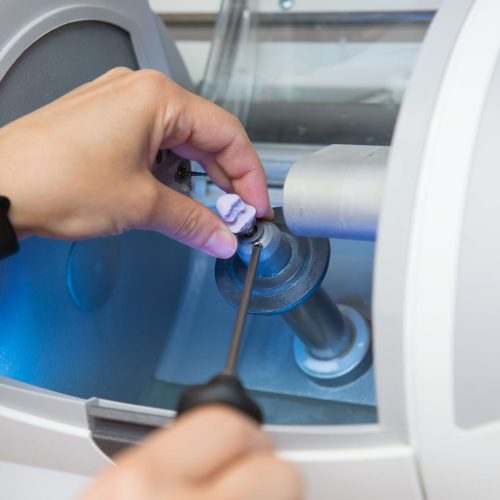
CEREC Crowns from Pemberton Dental Associates Explore our CEREC Crowns Dental crowns are often part of a variety of different dental procedures including root canals and dental bridges. They are also often recommended to replace the chewing surface of a tooth after a tooth has had severe decay or cracks and chips. While traditional dental […]

Cosmetic Dentistry
Cosmetic Dentists in Lawrence Massachusetts Schedule Cosmetic Dentistry Services in Lawrence As dentists, it is our goal to help all of our patients promote good dental health. While our main concerns are always to make sure that our patients’ teeth and gums are healthy, we also understand how for many people, going to the dentist […]
Dental Implants
Dental Implants from Pemberton Dental Associates Explore our Dental Implants One of the best solutions for adult tooth loss is a dental implant. Dental implants have many benefits over other solutions like dental bridges. Not only do they usually last longer than other dental solutions but they also better mimic the natural form and function […]

Emergency Dentistry
Emergency Dental Services at Pemberton Dental Associates Emergency Dentist in Lawrence MA A dental emergency is any oral issue that needs to be handled on the same-day. Here at Pemberton Dental Associates our team is here to provide a variety of same-day dental treatments. Not only is our team here to help address problems as […]
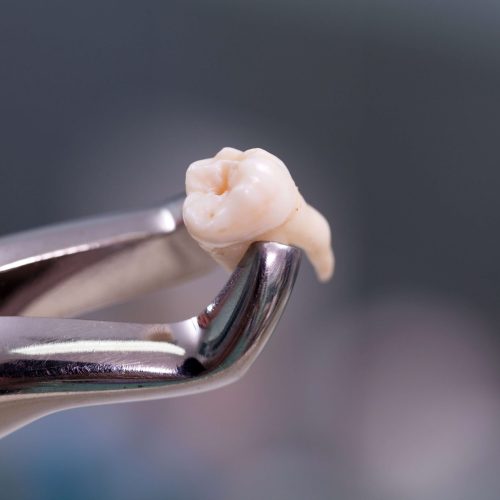
Extractions
Dental Extractions at Pemberton Dental Associates Explore our Dental Extraction Services While it is usually a last-case scenario, sometimes it is necessary to remove a tooth due to infection or other issues. There are two main types of tooth extraction procedures; surgical and non-surgical. Surgical extractions are frequently performed for the removal of impacted wisdom […]
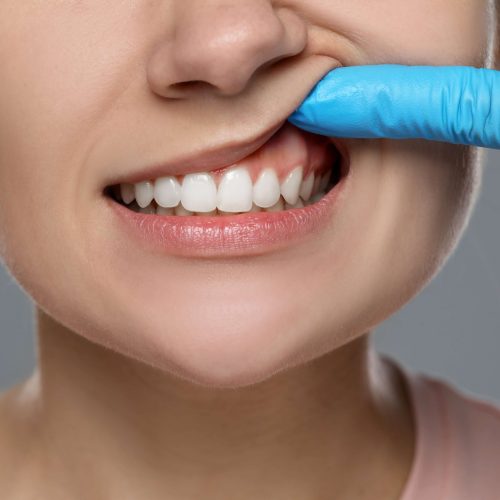
Gum Disease
Gum Disease Treatment From Pemberton Dental Associates Learn more about Gum Disease Gum disease is one of the most common dental issues for adults and children. While we often focus on the importance of taking care of our teeth, it is just as important to pay attention to our gums. Issues with gum health can […]
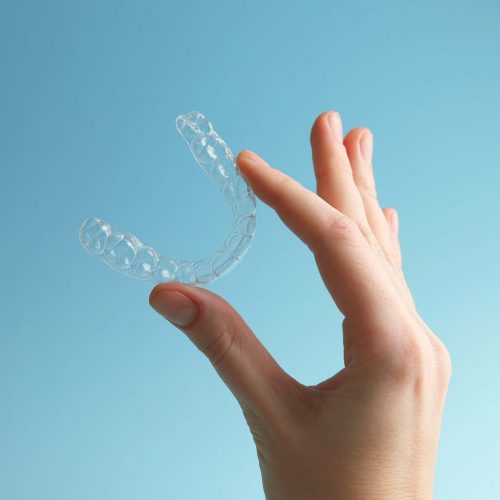
Invisalign
Invisalign from PEMBERTON Dental Associates Explore Invisalign One of the most popular orthodontic treatments, especially for adults, is Invisalign removable aligners. Unlike traditional braces, Invisalign provides the distinct benefit of being removable. This of course has many upsides including the ability to eat whatever you want, maintain your oral health easily, and not worry about […]
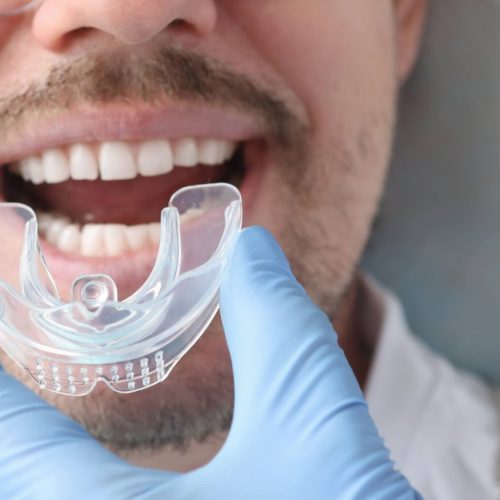
Night Guard
Night Guards from PEMBERTON Dental Associates Explore our Night Guards Night guards can help protect your teeth by preventing issues with bruxism. Bruxism, or teeth-grinding can happen completely involuntarily and is usually linked to stress but can have many causes. Regardless of the cause, bruxism can lead to serious issues. Bruxism puts pressure on the […]

Oral Surgery
Oral Surgery at Pemberton Dental Associates Explore our Oral Surgery Services Not every dentist provides surgical treatments. While most dentists provide routine cleanings, exams, x-rays, and a variety of preventative and restorative care, sometimes surgical procedures are necessary to either protect your smile or help replace lost teeth. We provide surgical treatments including prosthodontic treatments, […]
Preventative Care
Preventative Care from Pemberton Dental Associates Explore our Preventative Care Services When it comes to all forms of healthcare, preventative care is preferred over having to address issues down the line. This is especially true when it comes to dental health. Our teeth are not great at signaling us when things are starting to go […]
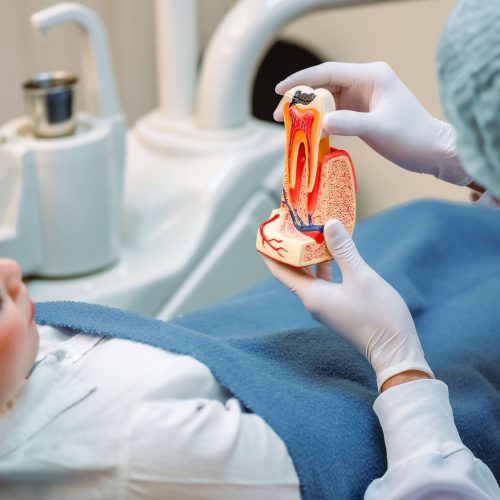
Root Canal
Root Canal Therapy at Pemberton Dental Associates Explore our Root Canal Therapy Root canal procedures can help save teeth where decay has spread deep into a tooth’s root. Decades ago, when decay spread this deeply into a tooth the only option was dental extractions. But thanks to the root canal procedure is possible to remove […]
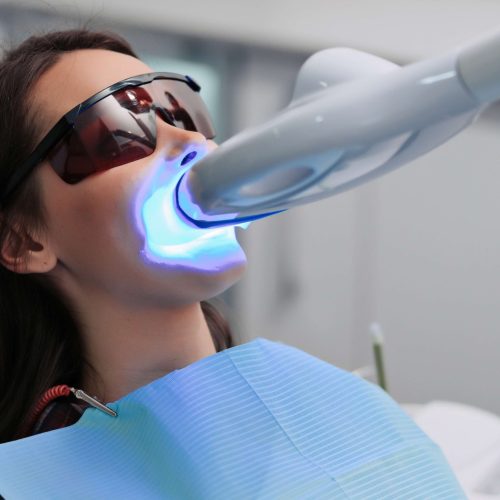
Whitening
Teeth Whitening from Pemberton Dental Associates Explore our Teeth Whitening Services Our office provides a variety of cosmetic dental services to our patients. While our main goal as dentists is to promote oral health and help keep your teeth and gums healthy, we understand that many of our patients also come to us to address […]
Real Patients, Real Reviews.
- Marisol V.
- 5/5 Star Rating
- Submitted Submitted 12/22/23
- C Wilson
- 5/5 Star Rating
- Submitted Submitted 12/23/23
- Heather A.
- 5/5 Star Rating
- Submitted Submitted 02/06/24
- Alcira K
- 5/5 Star Rating
- Submitted Submitted 02/07/24
- Vange D
- 5/5 Star Rating
- Submitted 10/19/22
Frequently Asked Questions About Root Canals
When Are Root Canals Recommended?
A root canal procedure is recommended by a dentist if there is an infection in the root of a tooth. When bacteria spread deep into a tooth or under the gums, they can infect the root of a tooth. If this is not addressed, it leads to bacterial infection that can cause toothaches, dental abscesses (pockets of pus that form under the gums), and other dental issues. Over time, an untreated infection can lead to tooth loss.
Do Root Canal Treatments Hurt?
Root canals probably have one of the most infamous reputations among dental treatments. This is because decades ago, root canals were frequently a painful or at least uncomfortable treatment. Modern dentistry has progressed quite significantly, and most restorative dental treatments are done with local anesthesia, which helps prevent discomfort during the treatment. That said, it is not uncommon to have some mild discomfort when anesthesia is applied and to feel sore after a root canal. Much like dental fillings, root canal treatments can lead to some mild discomfort for a few hours to a few days after the treatment. That said, if there is severe pain after a root canal or pain that gets worse over time or is accompanied by other symptoms like a fever, you should call your dentist right away.
What Happens During A Root Canal Procedure?
A root canal procedure is quite similar to a dental filling treatment. Both treatments involve the removal of decayed/infected tooth matter and the replacement of that tooth matter with a dental material. However, the placement of the infection is different. With a cavity, the dental decay is accessible. For a root canal, a small hole has to be created in the top of the tooth so that the dentist can access the root. The root is then cleaned out and filled with a special dental material designed to mimic a tooth’s root. The tooth is sealed, and it is common to get a dental crown after treatment to cover the hole that was created.
Can I Get a Root Canal & Crown in One Day?
Yes, you can potentially get both a root canal procedure and a new dental crown in a single appointment. This depends on the dentist you go to. A dentist who uses CEREC technology can take 3D scans and create a digital crown that is then manufactured in-office. Other dentists will take measurements and place a temporary crown, but will have you return to receive your personalized dental crown at a later date.
How Long Do Root Canal Treatments Take?
Typically, a root canal treatment can take an hour to two hours, depending on the complexity of the tooth and the severity of the infection. The process requires anesthesia, followed by the treatment. In some cases, a root canal will require multiple treatments.